
Learn how to choose the best mutual funds for your goals. Expert guide to analyzing performance, risk, and fund managers for optimal investment decisions.
The Mutual Fund Selection Challenge: Beyond Past Performance

Choosing from thousands of mutual fund schemes can feel overwhelming. Many investors make the mistake of selecting funds based solely on past returns, but professional investment decisions require a more comprehensive approach. This guide will walk you through a systematic process to identify the best mutual funds aligned with your financial objectives.
Step 1: Define Your Investment Purpose & Timeline
Identify Your Financial Goal
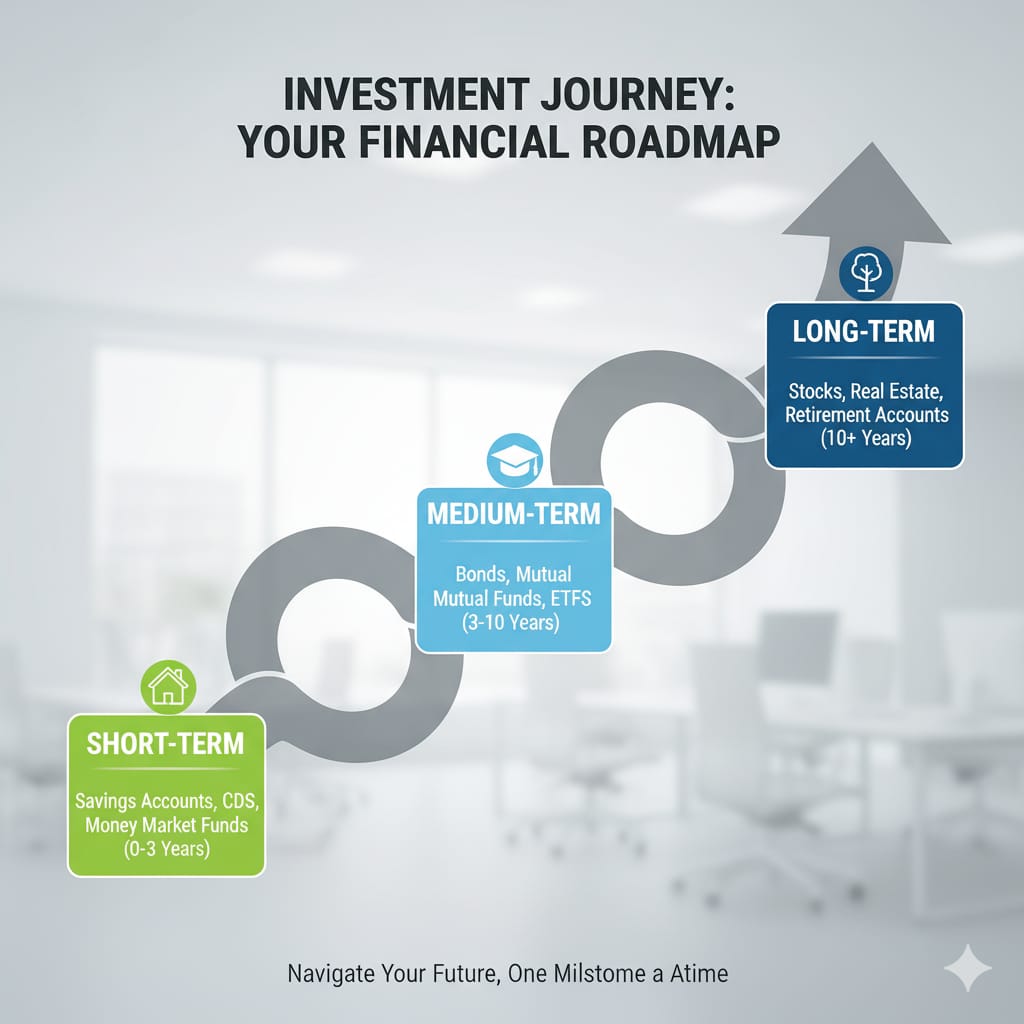
Before analyzing any fund, clearly define what you’re investing for:
-
Retirement planning (15+ years)
-
Wealth creation (7-10 years)
-
Child’s education (10-15 years)
-
Tax saving (3+ years lock-in)
-
Short-term savings (1-3 years)
Match Time Horizon with Fund Category
-
Short-term goals (1-3 years): Debt funds, liquid funds
-
Medium-term goals (3-7 years): Hybrid funds, balanced advantage funds
-
Long-term goals (7+ years): Equity funds, ELSS funds
Professional Tip: Your investment time horizon determines your risk capacity and appropriate fund category selection.
Step 2: Understand Your Risk Tolerance
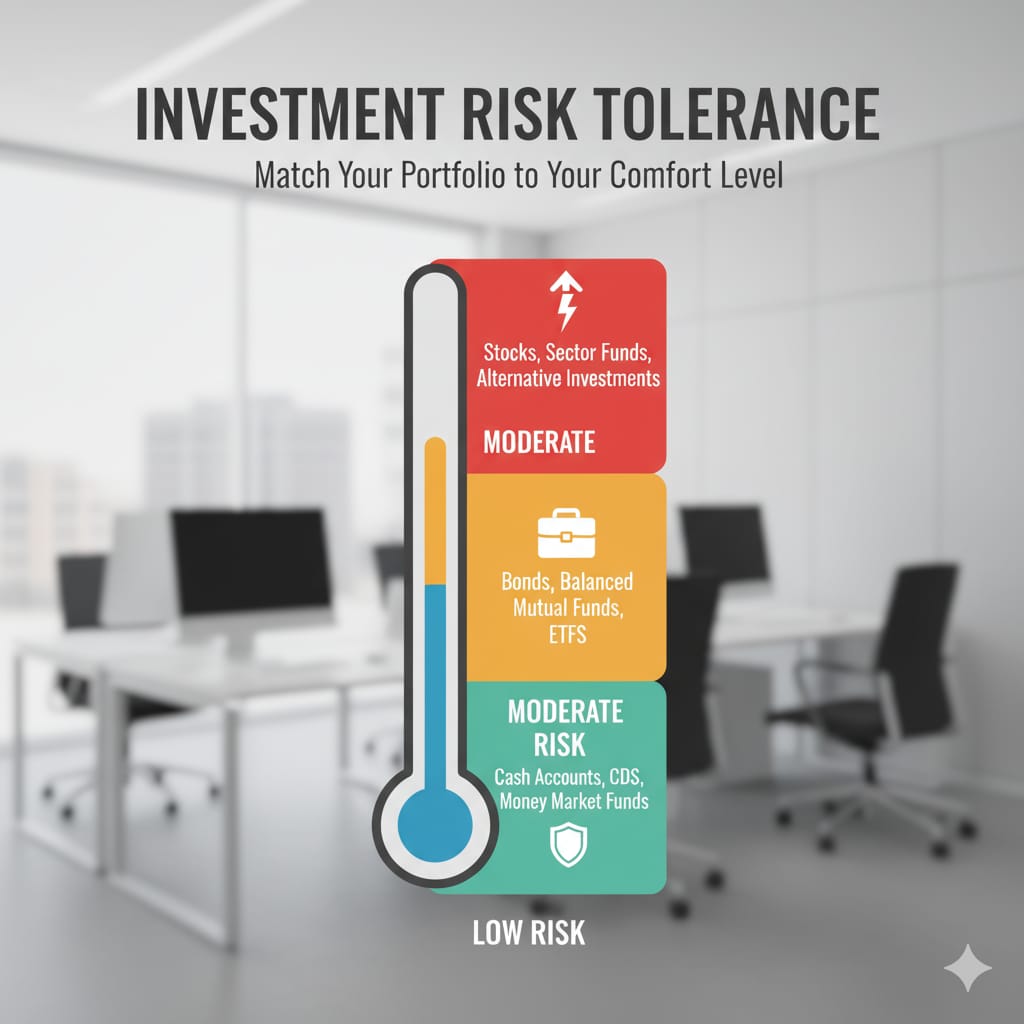
Risk Assessment Questions:
-
How would you react if your investment dropped 20% in a year?
-
Do you need regular income or are you focused on long-term growth?
-
What percentage of your portfolio can you afford to see decline temporarily?
Risk-Based Fund Selection:
-
Conservative Investors: Debt funds, hybrid conservative funds
-
Moderate Investors: Large-cap funds, balanced advantage funds
-
Aggressive Investors: Small-cap funds, sectoral funds, international funds
Step 3: Analyze Fund Performance Metrics
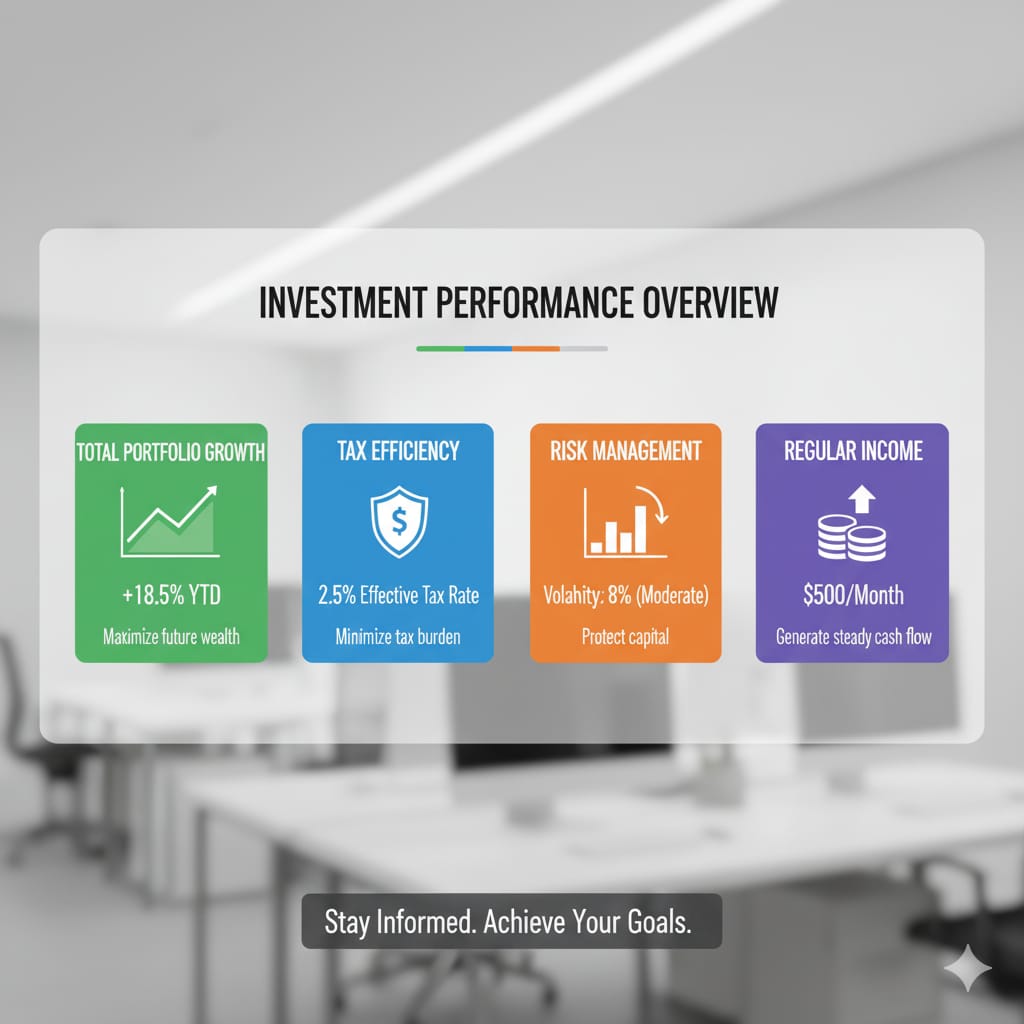
Beyond Absolute Returns:
-
Consistency: Look for funds that consistently beat their benchmark across market cycles
-
Rolling Returns: Analyze 3, 5, and 7-year rolling returns rather than point-to-point returns
-
Peer Comparison: How does the fund perform against its category average?
Key Performance Ratios:
-
Sharpe Ratio: Measures risk-adjusted returns (higher is better)
-
Sortino Ratio: Focuses on downside risk protection
-
Alpha: Excess returns over benchmark (positive alpha is good)
-
Beta: Volatility compared to benchmark (lower beta = less volatile)
Step 4: Evaluate the Fund House & Management
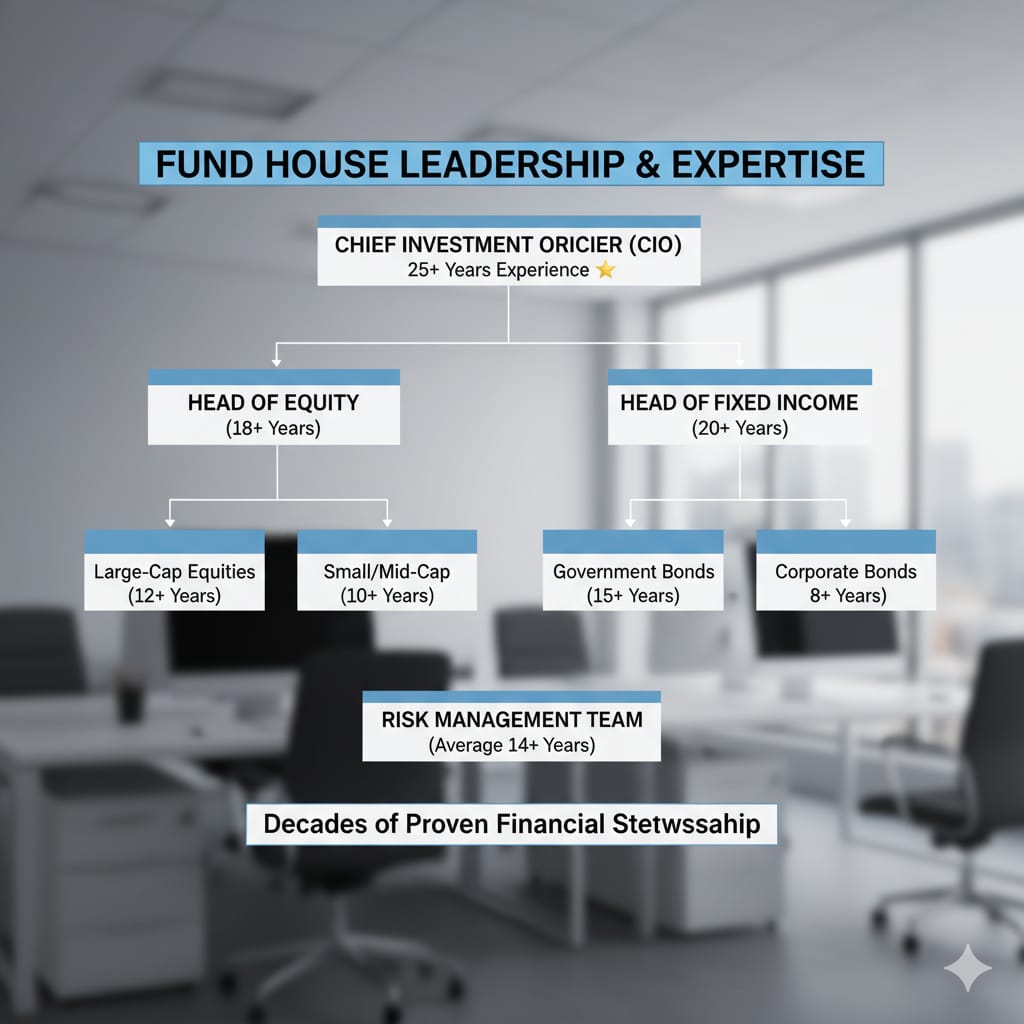
Fund House Credentials:
-
Track Record: How long has the AMC been operating?
-
Assets Under Management (AUM): Larger AUM often indicates investor trust
-
Investment Philosophy: Consistent, disciplined approach
-
Transparency: Regular, clear communication with investors
Fund Manager Analysis:
-
Experience: Minimum 5-7 years managing the fund
-
Consistency: Has the same manager been handling the fund long-term?
-
Process: Clear, repeatable investment process
-
Team Depth: Strong research team supporting the fund manager
Step 5: Examine Portfolio Composition & Strategy
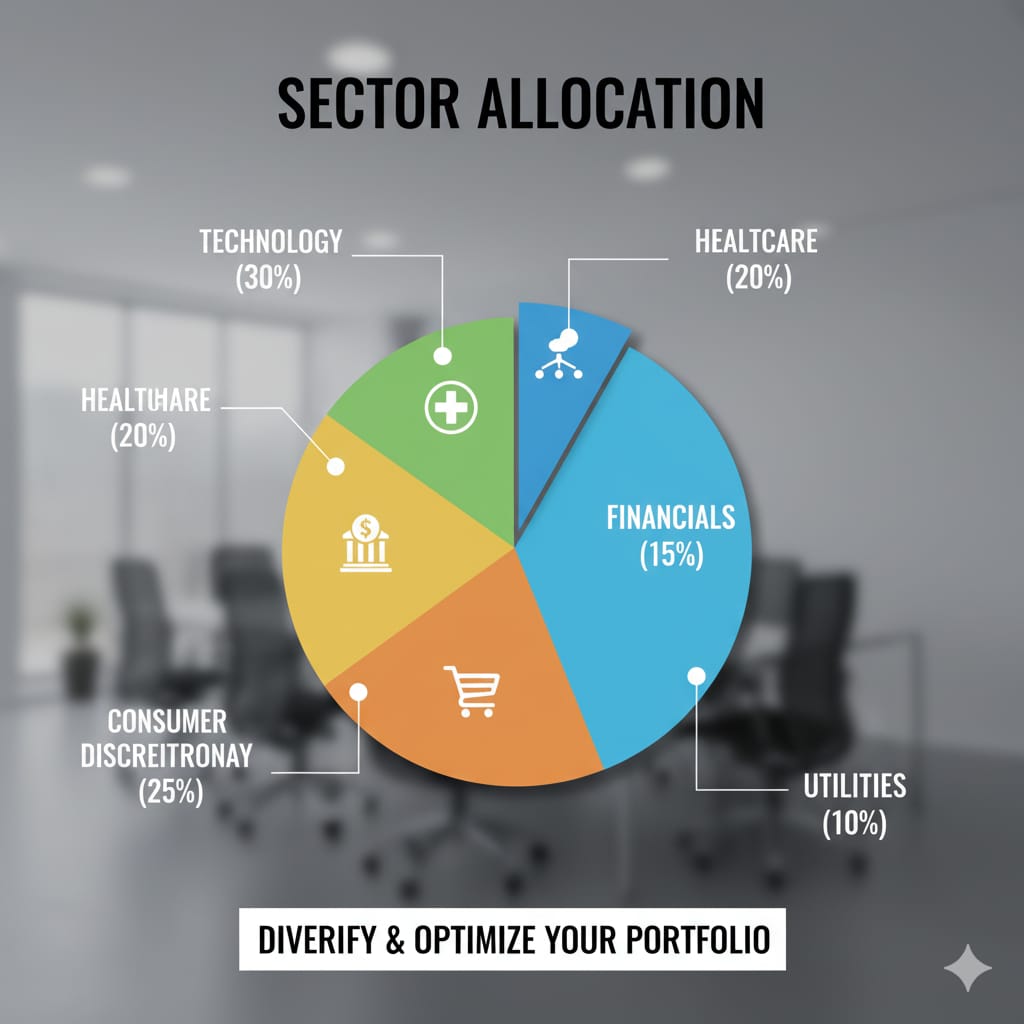
Portfolio Quality Checks:
-
Concentration Risk: Is the fund overly concentrated in few stocks?
-
Sector Allocation: Balanced sector exposure or heavy bets?
-
Market Cap Focus: Alignment with stated fund objectives
-
Portfolio Turnover: High turnover may indicate higher costs
Quality Parameters:
-
Large-cap Funds: Stable companies with strong fundamentals
-
Mid/Small-cap Funds: Growth potential with reasonable valuations
-
Debt Funds: High credit quality, reasonable duration
Step 6: Cost Analysis – The Expense Ratio Impact
Understanding Costs:
-
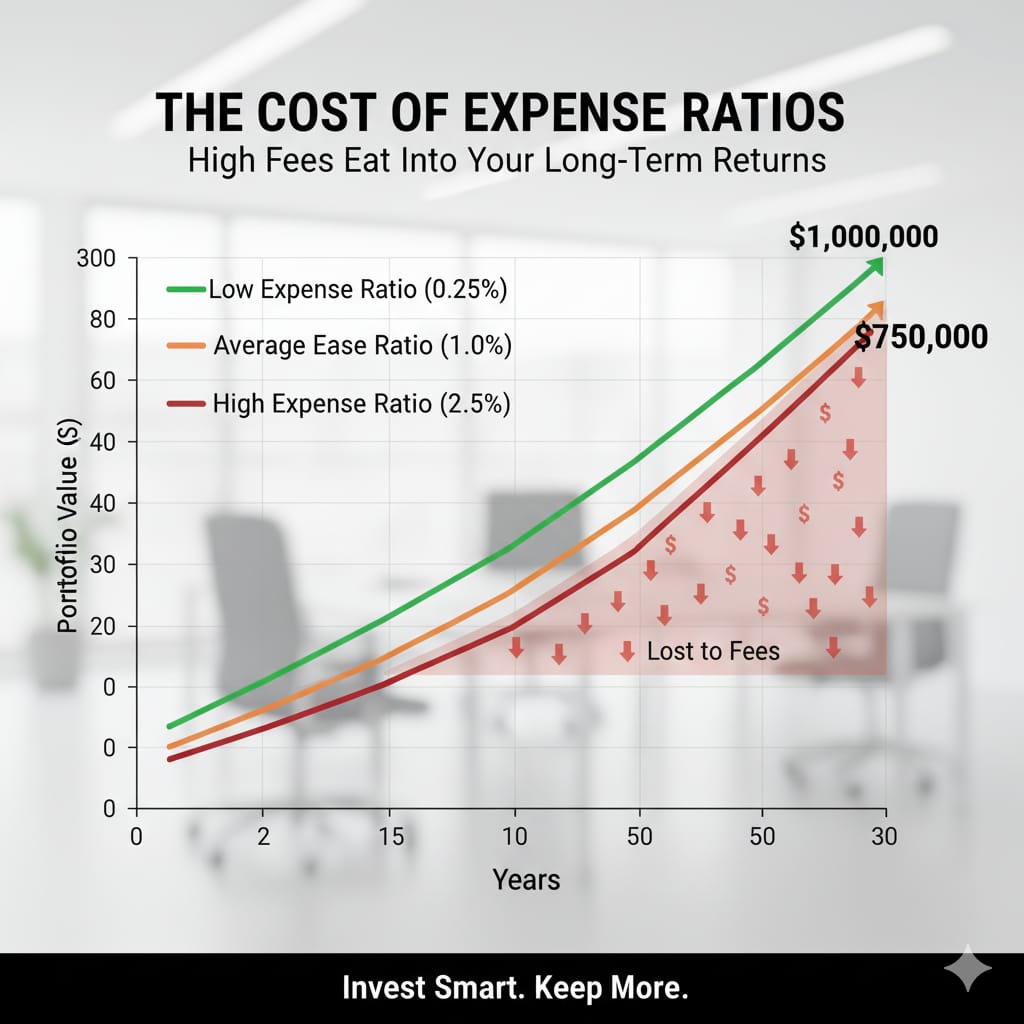
Expense Ratio: Annual fee as percentage of AUM
-
Exit Load: Charges for early redemption
-
Transaction Costs: Impact of high portfolio turnover
Cost Considerations:
-
Compare expense ratios with category average
-
Direct plans always have lower expense ratios than regular plans
-
Even 0.5% lower expense ratio can significantly impact long-term wealth creation
Step 7: Due Diligence Checklist
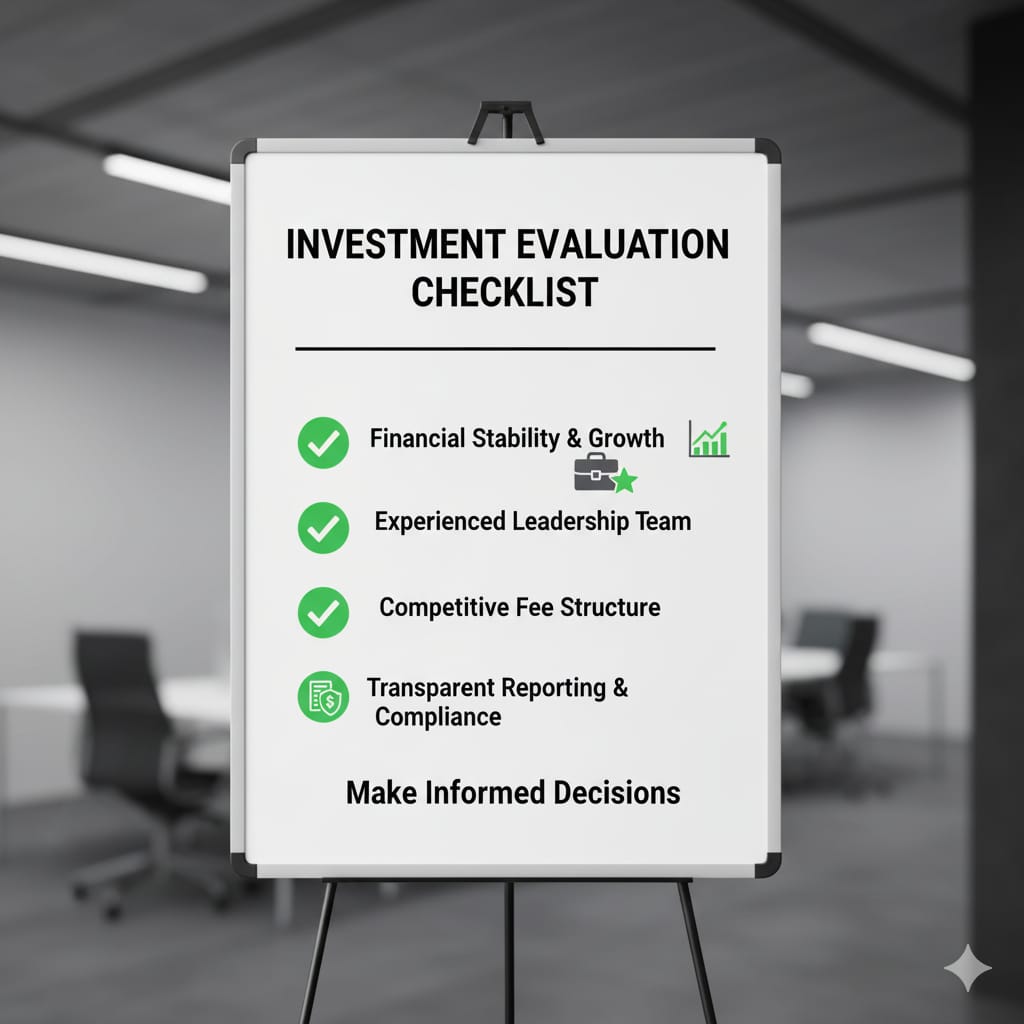
Quick Selection Checklist:
-
Fund consistently beats benchmark over 3+ years
-
Experienced fund manager with proven track record
-
Reasonable expense ratio compared to peers
-
Clear investment philosophy and process
-
Adequate diversification in portfolio
-
Strong, reputable fund house
-
Alignment with your risk profile and time horizon
-
Positive ratings from multiple research agencies
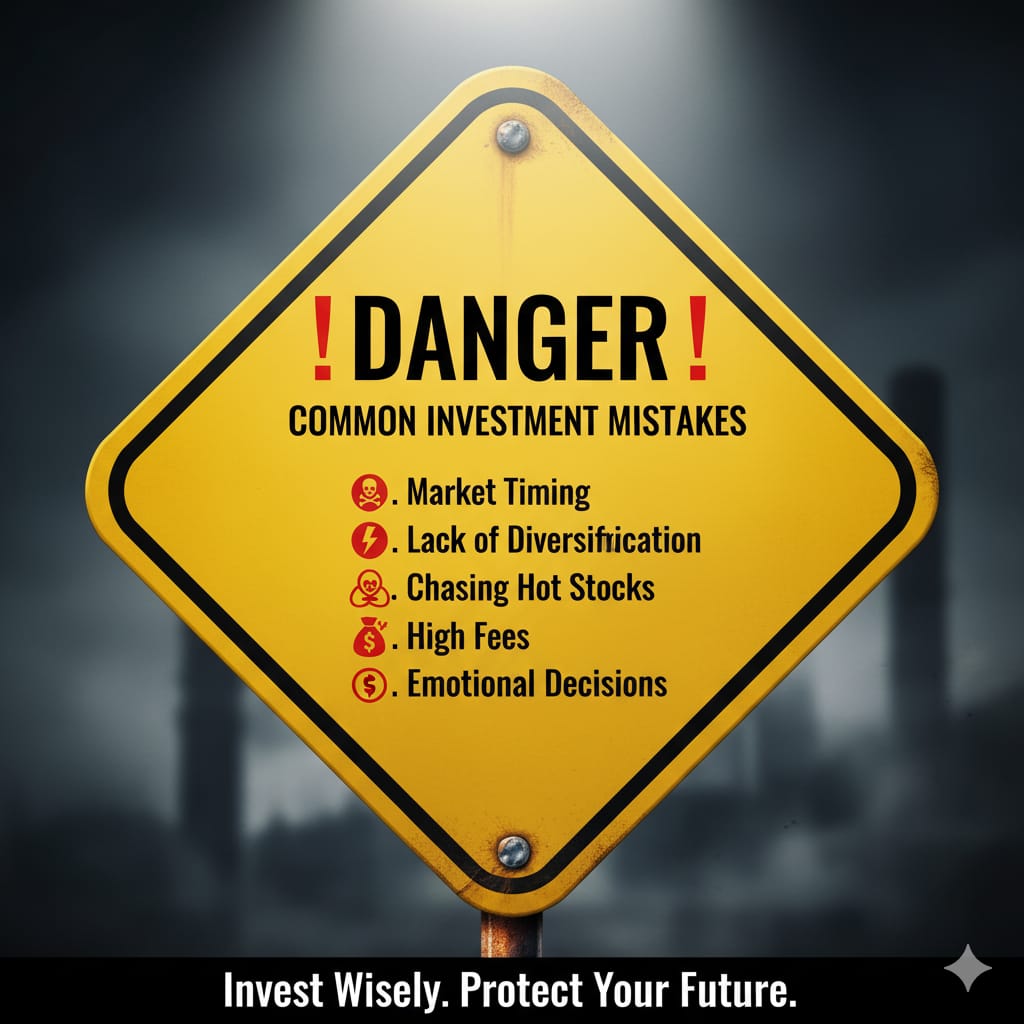
Common Selection Mistakes to Avoid
-
❌ Chasing Past Performance: Last year’s winner may not repeat
-
❌ Ignoring Risk Metrics: High returns may come with high risk
-
❌ Over-diversification: Too many funds can dilute returns
-
❌ Timing the Market: SIPs work better than lump-sum timing
-
❌ Following Herd Mentality: Do your own research instead of following crowds
Professional Portfolio Construction Approach
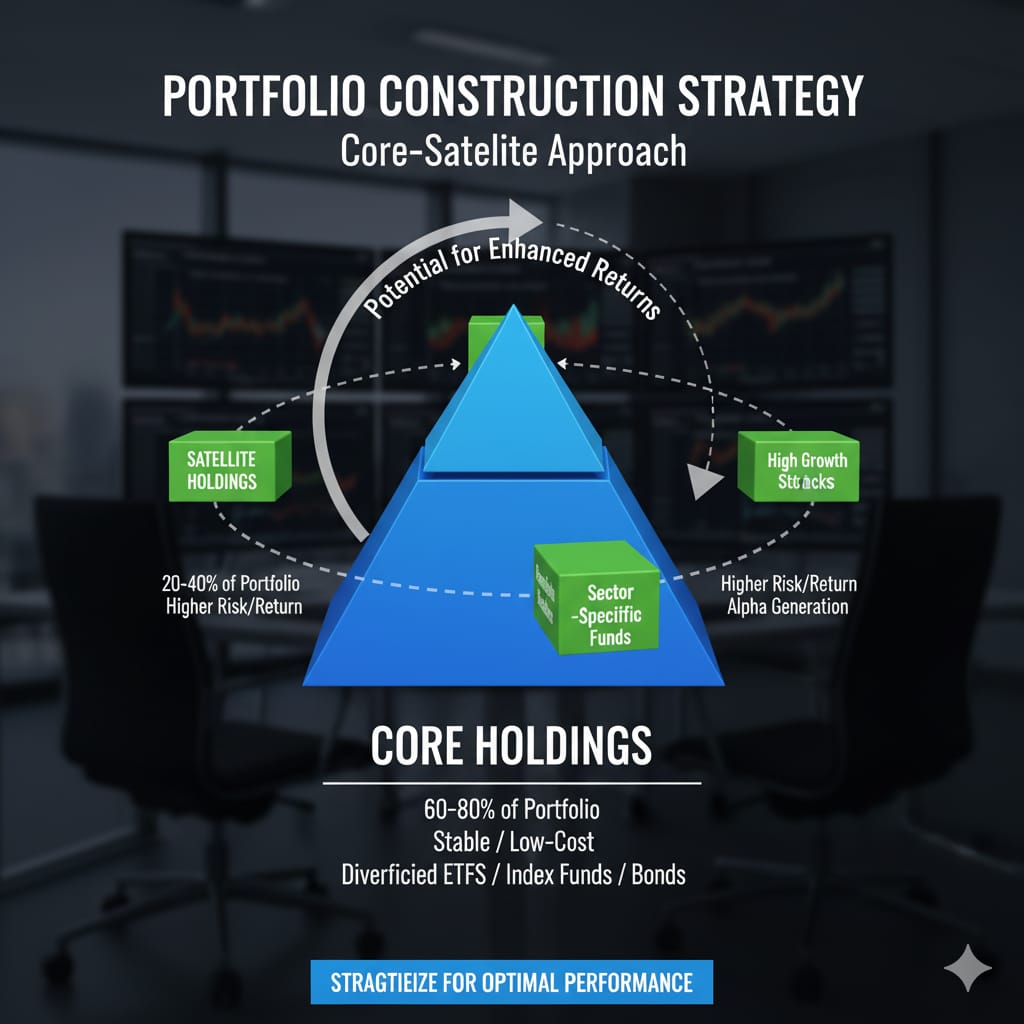
Core-Satellite Strategy:
-
Core Portfolio (70%): Stable large-cap, flexi-cap, and hybrid funds
-
Satellite Portfolio (30%): Strategic bets in sectoral, thematic, or international funds
Diversification Principles:
-
3-5 equity funds across market caps
-
1-2 debt funds for stability
-
1 hybrid fund for automatic rebalancing
-
Regular review and rebalancing
Monitoring & Review Framework
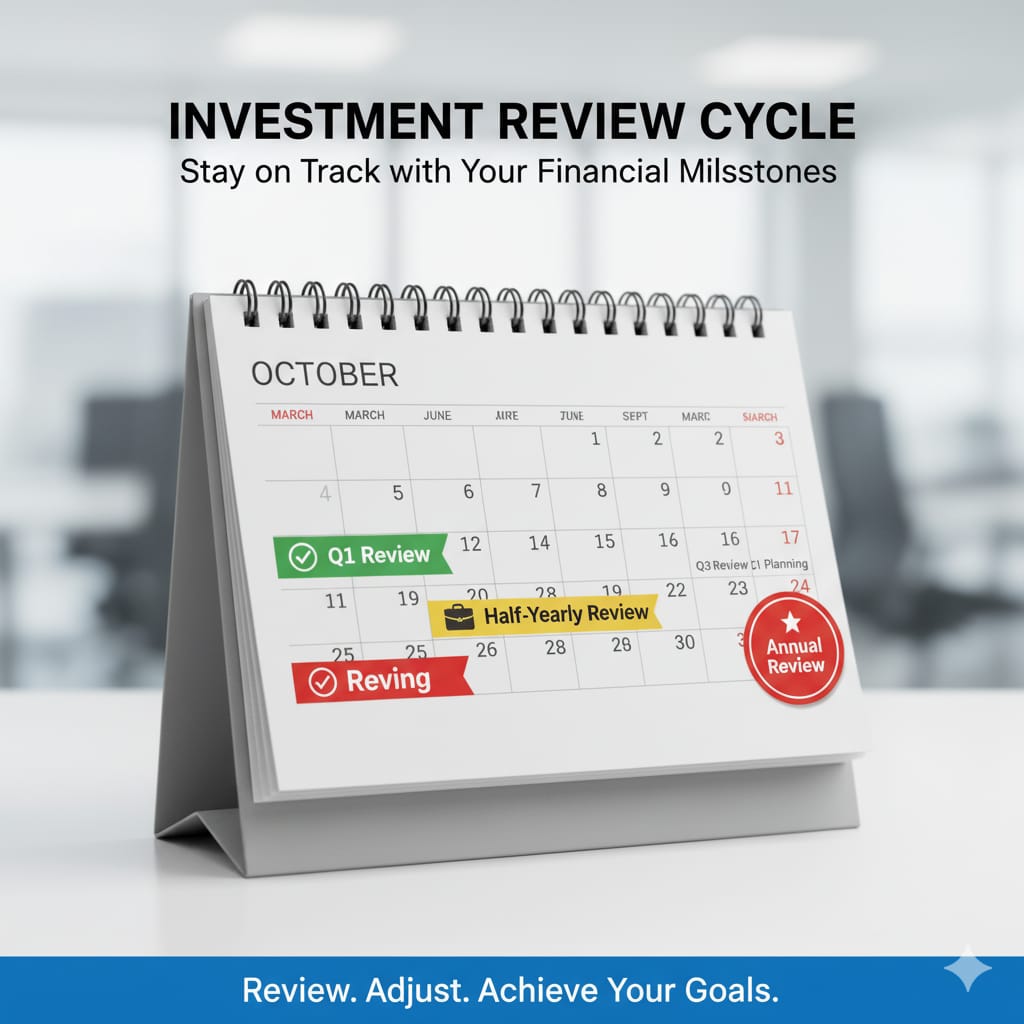
Regular Check-ins:
-
Quarterly: Performance vs benchmark and peers
-
Half-yearly: Portfolio changes and manager commentary
-
Annually: Comprehensive review and rebalancing
Red Flags Warranting Action:
-
Consistent underperformance vs benchmark for 3+ quarters
-
Frequent fund manager changes
-
Significant style drift from stated objectives
-
Sharp increase in expense ratio
Start Your Systematic Selection Journey Today

Choosing the best mutual funds requires discipline, research, and a systematic approach. By following this professional framework, you can build a portfolio that aligns with your financial goals and risk tolerance, while maximizing your long-term wealth creation potential.
Remember: The perfect fund doesn’t exist, but the right fund for your specific situation definitely does. Your journey to informed investment decisions starts with understanding these selection principles.
Pingback: What is mutual fund? Simple Explanation for Beginners -